June 7, 2023 Carol Brennan King
Truth or Lie, isn’t that a game? It is, and we can play it in regard to what we know about writing. And publishing.
Truth: Last week I talked about editing and my search for an editor. I think we all now understand that WE ALL NEED AN EDITOR. One we pay, and one who has experience in the business.

Lie: Finding an editor you feel will work for you and you can afford is a piece of cake. ( made by Terri Bracey, great southern cook/baker, and my niece)
But there are a few editors that you need to consider depending on your experience as a writer. I could just send you the Google route, but I would like to save you some time.
1.Developmental editing or structural editing – looks at the writing as a whole: character and plot development and structure, THE BIG IDEAS, the order and presentation of information. This one may not be needed if you are an experienced writer and feel good about the overall flow of the book.
2. A Content editor: this person looks closely at how the words are used paragraph by paragraph considering how the manuscript flows and builds the story. A key element here is the tone and voice used by the writer. How clear and consistent is it, and is it appropriate for your audience? The content editor does extensive editing to make sure that your content is accurate, works for your audience, and is error-free. That means they may have to do some research to make certain everything you say factually is correct. And that may be pricey. One editor I communicated with said her price might go from $2000 to $5000 depending on the person she consulted relative to the use of some Irish words. I did not hire her.
My book took place primarily from 1845 to 1855. That means I had to do a lot of research to make sure everything I wrote about customs, Irish holidays, food, travel on a famine ship, and roads between New York City and their destination in Pennsylvania was correct. In this research, I even visited a shipyard and spent time in the hold or steerage of a ship to get a sense of their living quarters as they crossed the Atlantic.
I went to a Marine museum to learn more about the journey. I visited a railroad museum to see if they could have taken a train to their destination, Nope. No trains reached that rural community yet. I searched and read books on the history of Ireland, other books on the crossing by real people who wrote home or wrote a book about it, and how the Irish were treated in this country upon their arrival. In sum, I collected over 100 resources to support everything that I wrote as factual. If you have not done that kind of work, you may need a content editor. But they do not come cheap.
3.Certainly, you will need a Copy Editor, sometimes called a line editor or comprehensive edit – with a narrow focus to examine at the sentence level: way dialogue is used, syntax, and clarity of writing. Focus on showing rather than telling. Their job is also to focus on spelling, grammar, and punctuation of your manuscript.
Please, don’t say I use Grammarly or some other program, or I have a degree in English or communication. You need a human here because a human wrote it and humans make mistakes. And if we wrote the thing, we read it the way we meant to write it, and our brain registers it that way. So you have to have a copy or line editor. I have a B.A. and an M.A. in Communication and Creative Writing/English. And have hundreds of publications, but I am going to hire a copy editor.
Though there may be other editors, the most common one you will encounter is a Proofreader. These editors conduct the final edits to make sure that the other editors did their jobs.
Something else you need is a Beta Reader or several. They do little if any editing, but they read content and offer feedback to ensure the content is appropriate and the story flows. I asked for an initial reaction to my book as well, and I wanted both male and female beta readers to get that perspective. Usually, those are unpaid. Make sure they understand the seriousness of what you are asking for. Their feedback may help you succeed or know you have to make some changes. You might offer them a free book when it is published and you certainly might mention them in your book’s Thanks for your help section.
So, if you are interested in getting published, you have to think, at least think, about getting an agent. Bad news first: as a rule of thumb, your chances of getting an agent are about 1 in 1000. (https://jerichowriters.com/if-an-agent-accepts-your-work-what-are-chances-of-getting-published-2/
But you could be that ONE, the person whose work is so professionally done, who has such a compelling story, the agent just wants to sign you before someone else does. So the better work you did to get to this point, the more likely you are to get an agent. The professionals also say this, “You must do the work of writing the best pitch, completing the query tracker form after rewriting the material they ask for until it sings, and apply to an agent that is interested in the kind of book you have written.
My book is historical fiction. So I only apply to agents who list historical fiction as what they are looking for. I hate to tell you this, but if you don’t check to see what the agent is looking for, and you send them something else, all your work will not make it past the circular file – read that wastebasket.
So google “agents looking for your genre“, for me, that means historical fiction. If it shows up down near the bottom of their wish list, you are probably shopping in the wrong place.
Now, figure out what you are going to do to reward yourself when you hear from someone who wants to see more than you have already sent them. Certainly, that letter with their return address on it is a big reward, but what if it does not lead any further? You need to reward yourself for getting a response, even if is a cup of good coffee.
From my experience, I keep finding another step to climb toward seeing my book on someone’s shelf, so any reward I can give myself for making progress is a good thing. Let’s see, maybe a day at the beach, or some good seafood. Not that pricey seafood yet, but I’m not picky….yet!
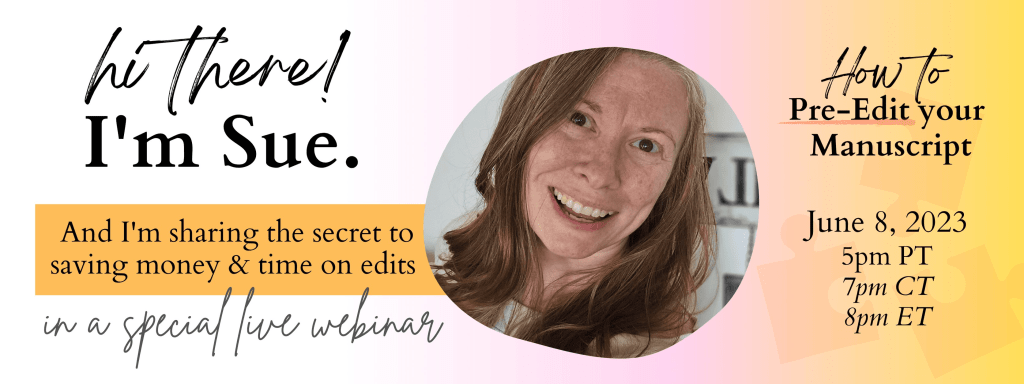
Now I just discovered a new writing coach. Check out the photo here. I have not said anything about her before because I just discovered her last night. I went to the lecture advertised here, and it was soooo good. Primarily she talked about looking at your hero’s journey. The key issue is knowing why they do what they do. I can’t tell you more because I don’t have that right. Just let me say, check her out and see what she can teach you. I just noticed the ad doesn’t give her full name: Sue Brown-Moore.
I asked for cake photos and some more came in – too beautiful to leave out. The following were submitted by Rebekah Klase

Ric Miller

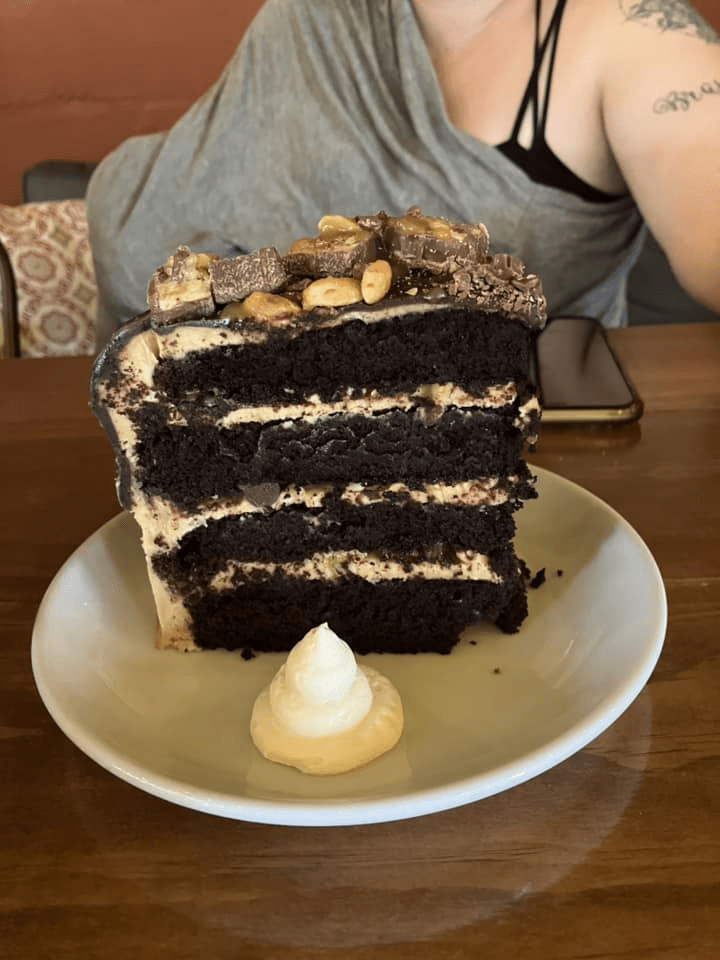
Marsha Romberger
 Carol's Notes